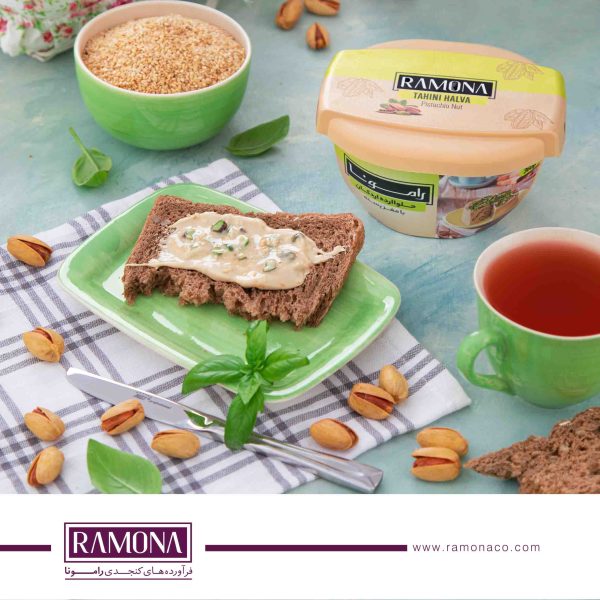
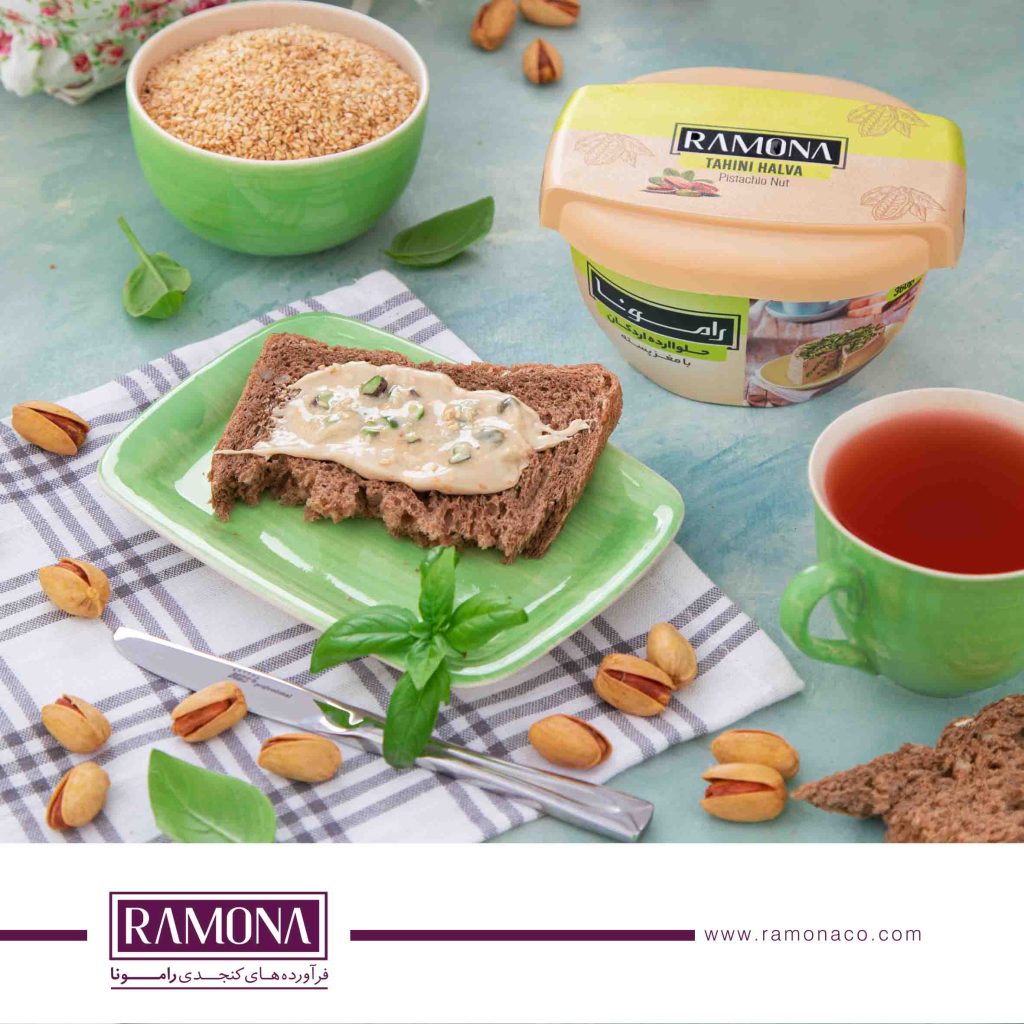
Tahini and Tahini Halva; A Treasure of Energy and Health
Introduction to Tahini
Tahini is one of the most valuable products derived from sesame seeds, obtained by grinding roasted sesame. This flavorful and nutritious ingredient has long held a special place in Iranian culinary culture. Tahini is not only consumed as a complete breakfast but is also widely used in the preparation of various traditional sweets, halvas, and foods. Tahini has a warm and dry nature, making it particularly beneficial for individuals with a cold temperament. Its high nutritional value places it among energy-boosting foods, as it is rich in healthy fats, plant-based proteins, B-complex vitamins, calcium, iron, magnesium, and phosphorus.
Health Benefits of Tahini
-
- Strengthening bones and teeth: Due to its high calcium content, tahini is highly effective in helping prevent osteoporosis.
Boosting energy and concentration: Consuming tahini at breakfast helps increase daily energy levels.
- Enhancing the immune system: The antioxidants and vitamin E found in sesame help increase the body’s resistance to diseases.
- Skin and hair health: The healthy fats in tahini contribute to softer skin and shinier hair.
- Reducing bad cholesterol (LDL): Tahini is rich in unsaturated fats that play an important role in regulating blood lipid levels.
Tahini Halva; A Blend of Tradition and Energy
Tahini Halva is made from a combination of tahini, sugar (or honey), egg whites, and sometimes pistachio powder or cardamom, resulting in a soft texture and a sweet, pleasant flavor. This delicious and nourishing product is traditionally produced in many regions of Iran, especially in cities such as Yazd, Zanjan, and Hamedan. Tahini halva is an excellent source of instant energy; therefore, athletes and individuals with intense physical activity often consume it at breakfast or as a snack.
Benefits of Tahini Halva
- Boosts energy and physical strength
- Improves brain function and memory
- Suitable during recovery periods or general physical weakness
- Contains antioxidant and anti-inflammatory properties
Difference Between Tahini and Tahini Halva
| Feature | Tahini | Tahini Halva |
|---|---|---|
| Main ingredients | Ground sesame only | Tahini + sugar + egg whites + flavorings |
| Taste | Neutral, slightly bitter | Sweet and pleasant |
| Usage | Cooking and confectionery | Ready-to-eat food and dessert |
| Energy value | High | Very high |
Storage Instructions for Tahini and Tahini Halva
- Tahini should be stored in a sealed container, away from direct sunlight, and in a cool place.
- Tahini halva is best kept in a cool, dry environment, and in hot conditions, it should be refrigerated to prevent changes in texture and flavor.